Commercial Real Estate in Slovenia
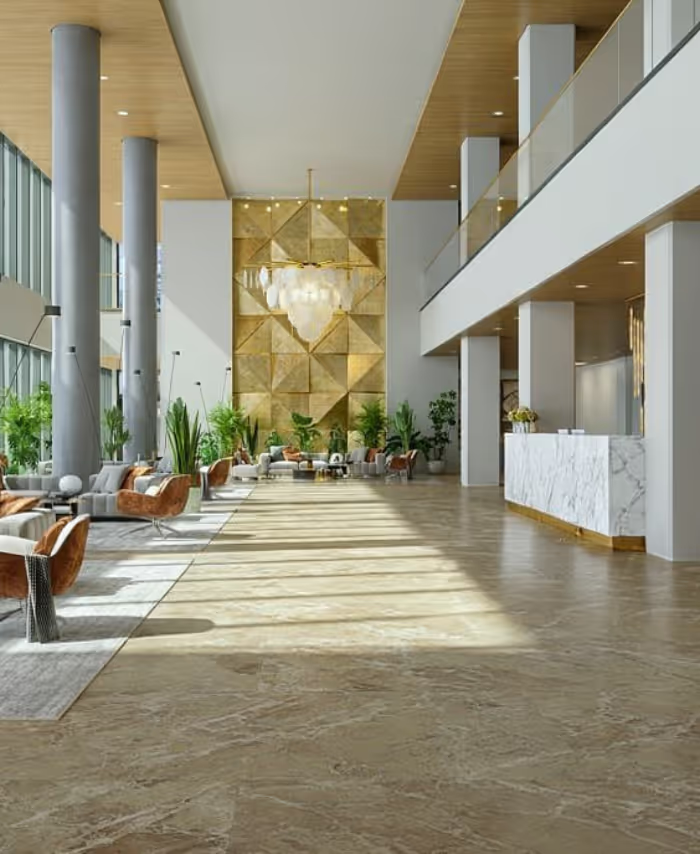
Different Asset Classes in CRE
For most individuals in Slovenia, real estate is associated with residential transactions, buying, selling, or renting apartments and houses. In the business world, however, real estate operates on a different level. Commercial real estate (CRE) represents a distinct segment, less familiar to individuals but offering significant investment potential.
In CRE we know these key asset classes:
- Office
- Retail
- Hospitality
- Logistics & industrial
- Multi-family
- Development land
While entry into this market typically requires substantial capital, it also provides opportunities for stable income and long-term capital appreciation.
Office Buildings
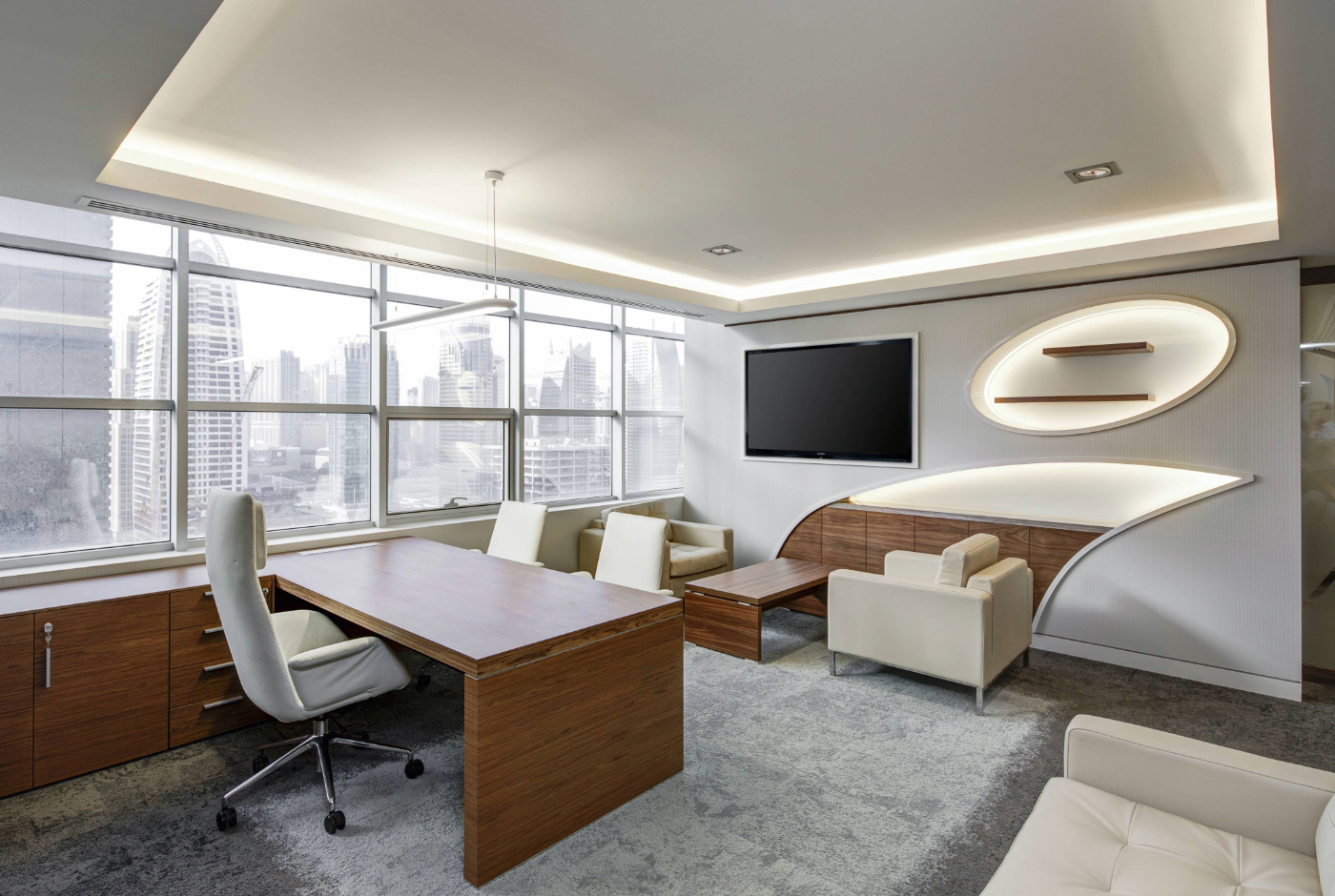
Office properties are defined as buildings that have at least 75% of their space dedicated to office use and are generally classified by quality as:
- Class A: Modern, high-spec buildings in prime locations, designed for premium tenants and offering top-tier amenities such as gyms, lounges, and shared services. A leading example in Slovenia is Vilharia, the country’s first LEED Platinum-certified office building.
- Class B: Older but well-maintained buildings offering solid functionality and value.
- Class C: Basic office spaces with limited amenities, typically in secondary locations.
Although office space is predominantly leased, ownership can provide an attractive alternative to residential investment.
Retail
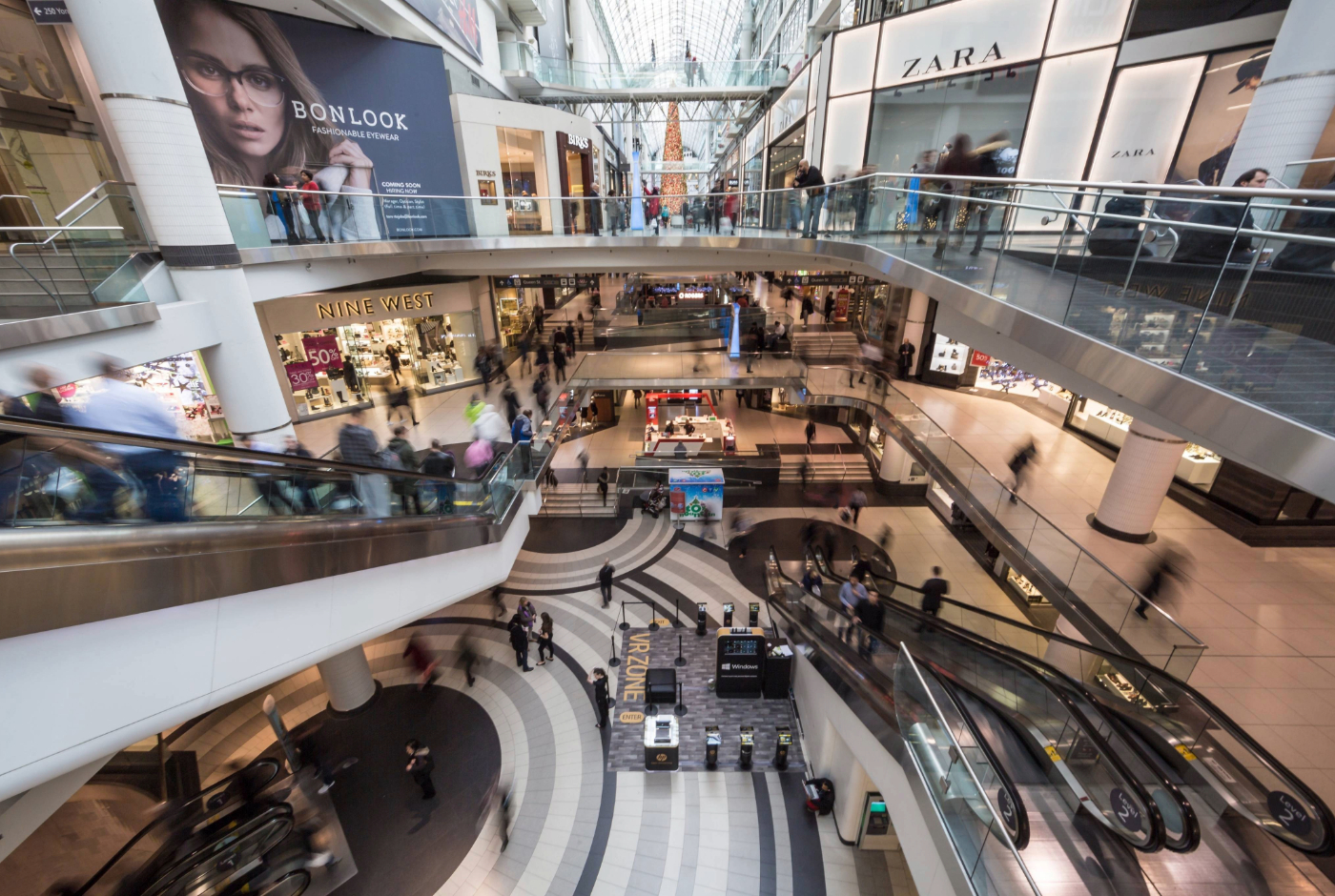
Retail real estate includes properties designed for the sale of goods and services, such as:
- Retail parks: Open-air formats with direct-access stores focused on convenience and value.
- Shopping malls: Enclosed centres with a mix of tenants anchored by a major food store brand.
- Outlet centres: Open-air schemes offering discounted branded goods.
- Department stores: Single-building retail formats with multiple product categories.
This asset class attracts both private and institutional investors due to stable demand, predictable footfall, and long-term lease structures.
Hospitality
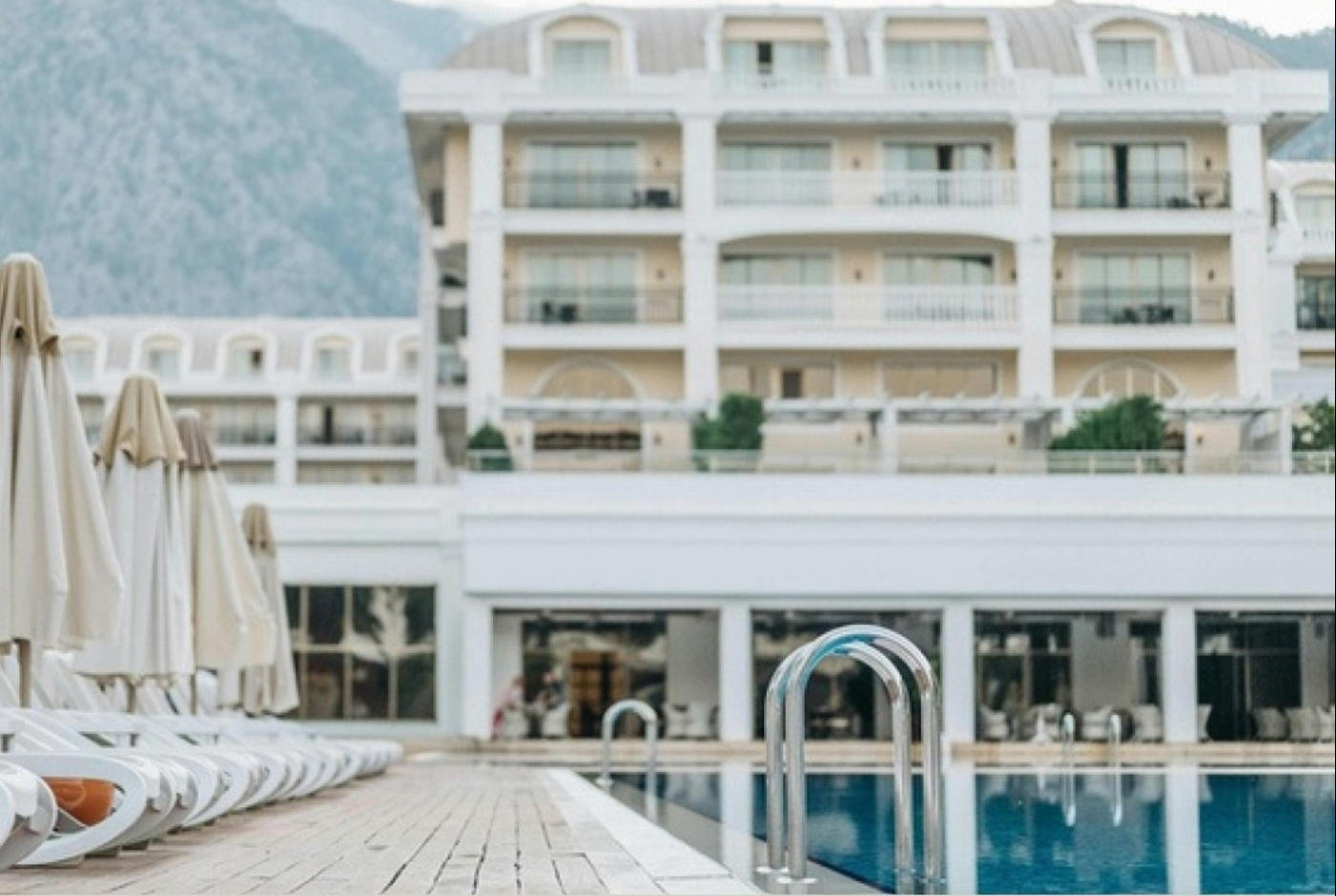
Hospitality real estate includes:
- Hotels
- Resorts
- Motels
- Serviced apartments
- Branded residences
It is one of the more dynamic asset classes, with income closely tied to operational performance and economic cycles. Ownership structures vary, including lease agreements, management contracts, or franchise models.
Logistics & Industrial
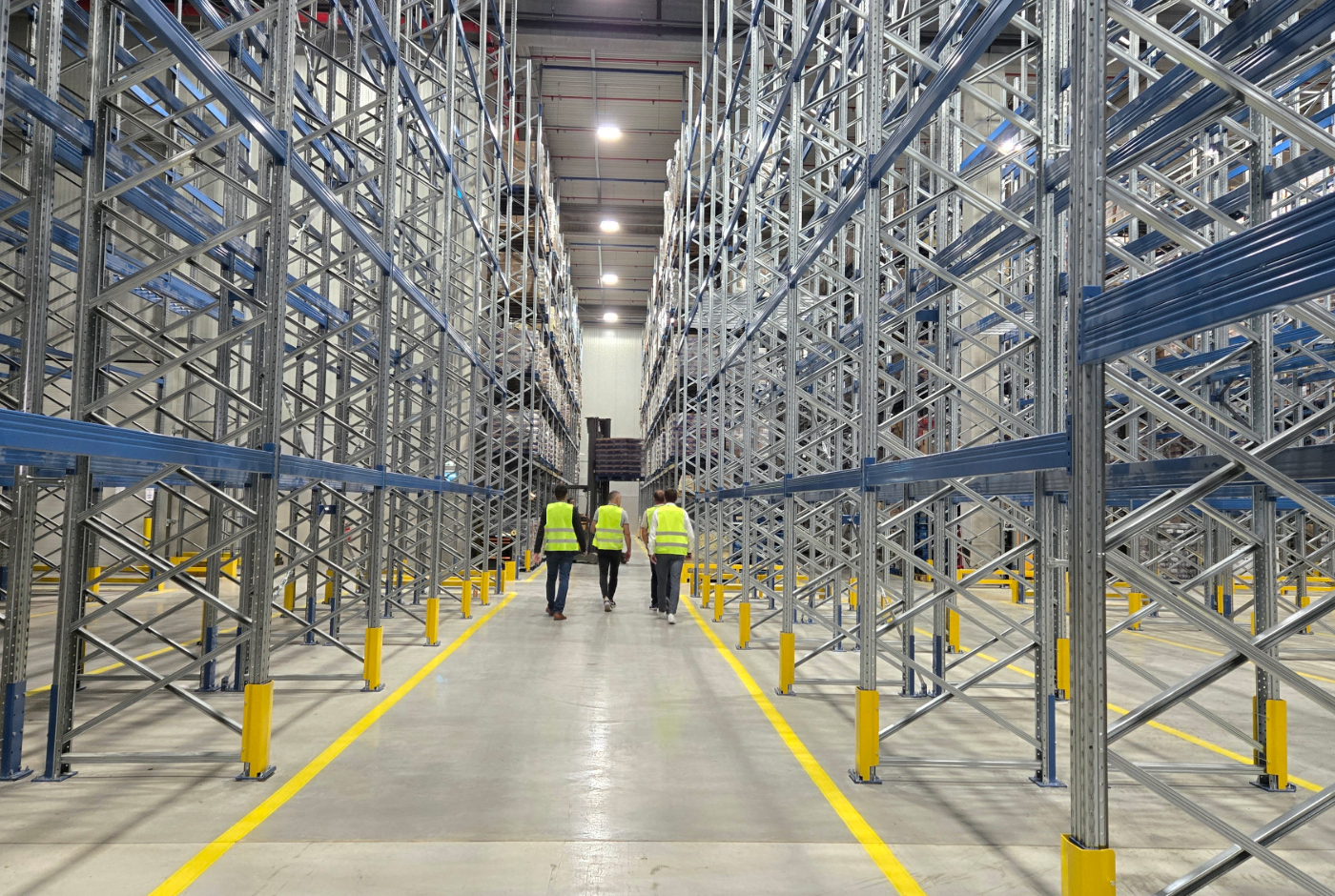
Industrial real estate covers production facilities and logistics centres used for storage and distribution, typically located near major transport routes.
Modern logistics assets, such as LogSpot in Logatec (BREEAM certified), reflect the growing demand for high-quality, sustainable infrastructure. Additionally, data centres are emerging as a critical and rapidly expanding segment, driven by digitalisation and AI.
Multi-Family Properties
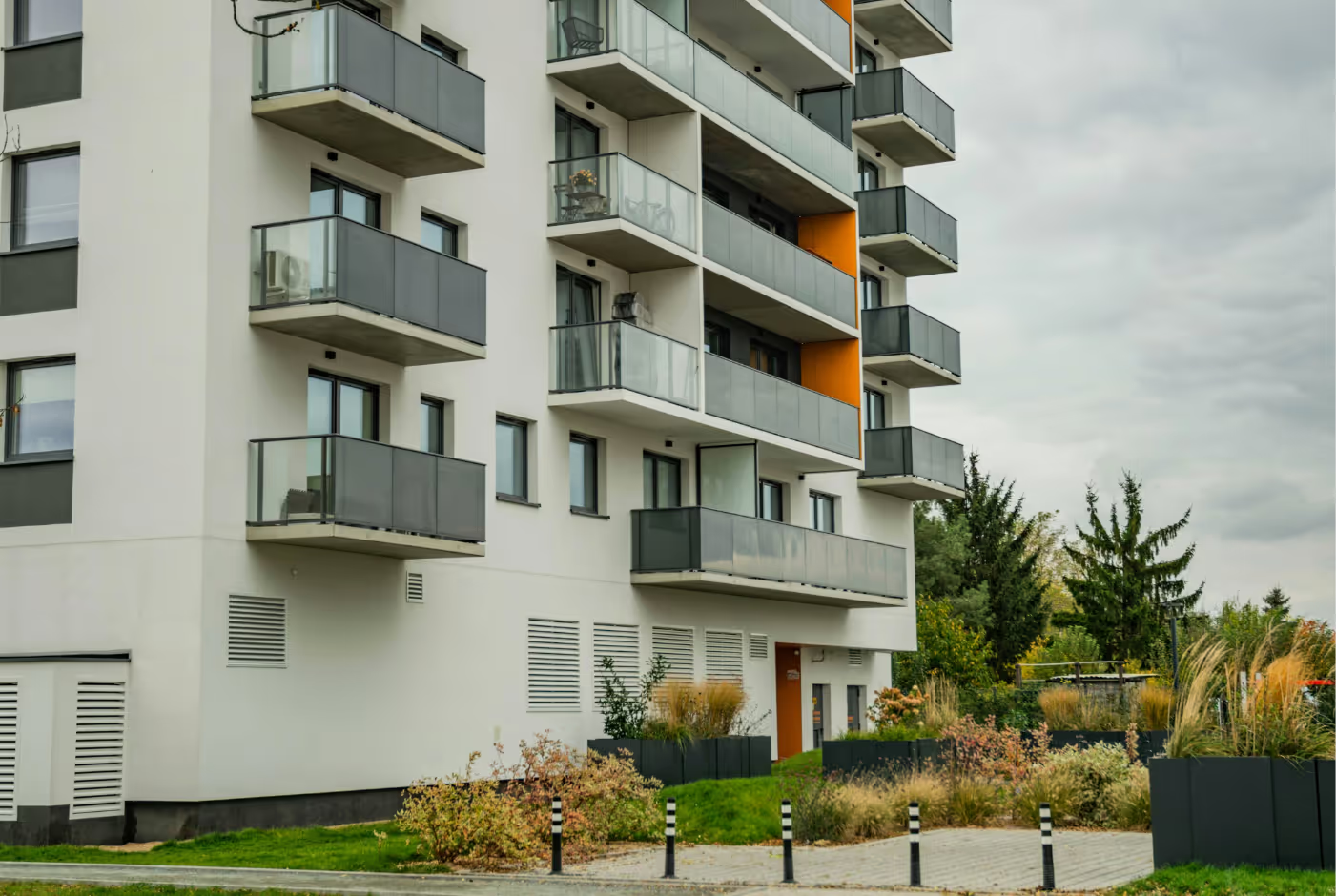
In Slovenia, the multi-family concept differs from more developed markets. Instead of single-owner rental buildings, residential developments are typically sold unit-by-unit to individual buyers.
As a result, multi-family does not function as a consolidated income-generating asset class but rather as a collection of individual ownerships.
Development Land
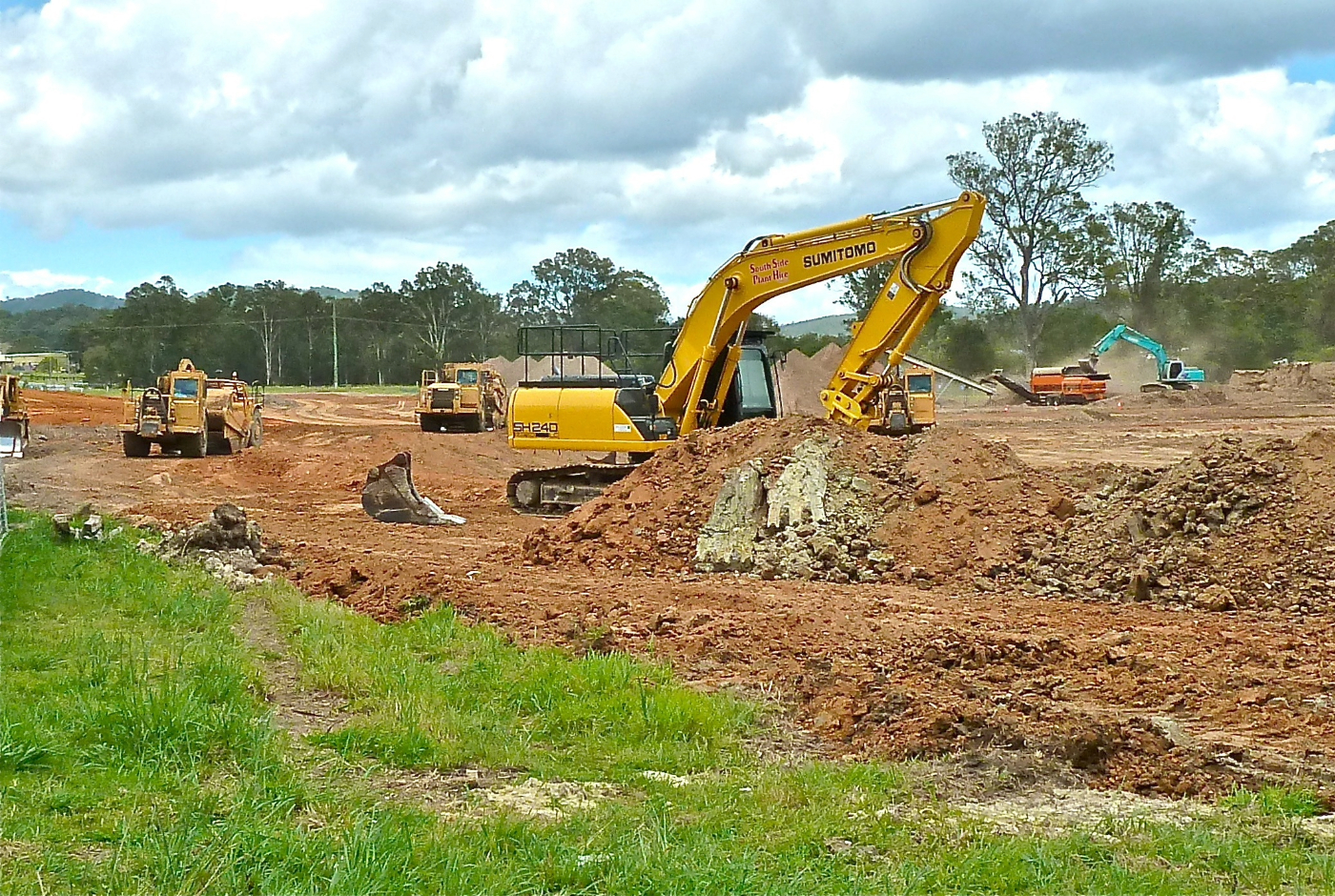
Development land in Slovenia presents both opportunity and complexity. Large, ready-to-build plots are limited, and the permitting process (zoning, environmental approvals, and construction permits) is often slow and unpredictable.
However, once these hurdles are overcome, the market offers solid fundamentals, particularly for well-located retail, logistics, and mixed-use projects.
Commercial real estate in Slovenia is defined by a clear balance: while the market is smaller and administratively demanding, its fundamentals remain strong.
Prime locations retain value, demand for modern space continues to grow, and well-executed projects perform reliably. Success is not driven by scale, but by local understanding, strategic navigation, and the ability to deliver quality in a supply-constrained environment.


.avif)