Cold Storage or Dry Warehouse
Cold Storage or Dry Warehouse: Which Is the Better Investment?
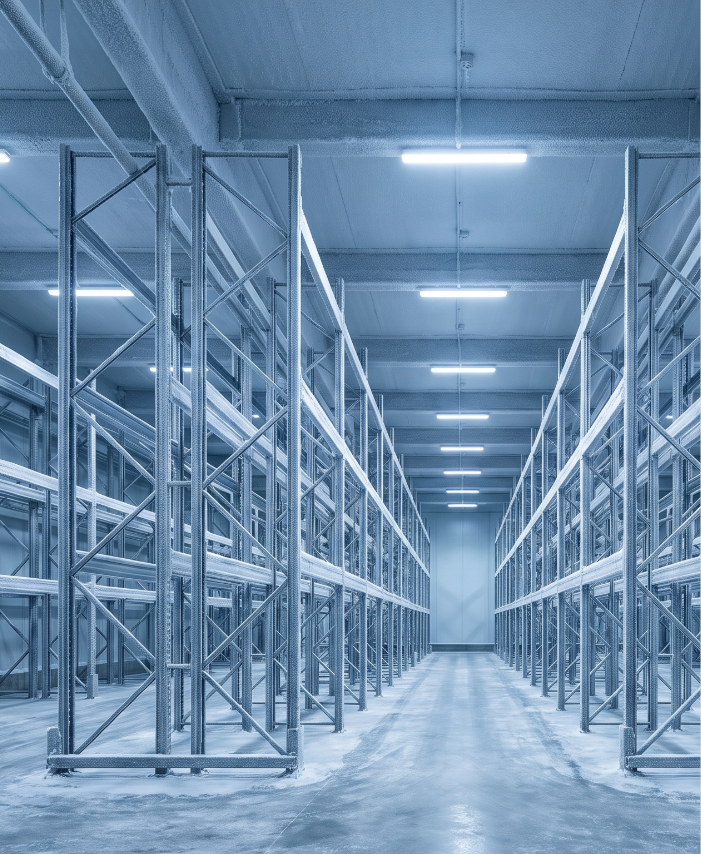
Cold storage is not simply a dry warehouse with refrigeration. It can achieve higher rent, but it also costs more to build, uses more energy and serves a much smaller tenant pool. For speculative developments in CEE/SEE, a dry warehouse remains the safer choice. So, when does cold storage make financial sense?
Cold Storage — Higher Income, but Higher Risk
Cold storage is mainly required by:
- Food producers and retailers
- Frozen-food distributors
- Pharmaceutical companies
- Specialist logistics operators
Demand is growing while modern supply remains limited. CBRE estimates that around 70% of UK cold-storage stock is more than 20 years old. CEE and SEE have even less modern space, as most facilities are developed directly for specific occupiers.
However, cold storage requires:
- Insulated walls, roofs and floors
- Refrigeration and backup systems
- Much greater electricity capacity
- More complex fire protection
- Special monitoring and control systems
Colliers estimates that a cold-storage building can cost roughly twice as much as a standard warehouse. CBRE reports that large automated facilities may cost 2.5–3 times more.
The higher rent is therefore not pure additional profit. It must repay the specialised construction, equipment and power infrastructure.
Why Dry Warehouses Are Safer Speculatively
A dry warehouse can serve retailers, manufacturers, logistics companies and e-commerce operators with relatively few changes. It is easier to build, finance, relet and sell.
Cold storage is much more tenant-specific. Frozen food, fresh produce and pharmaceuticals require different temperatures, layouts and equipment. A building designed for one occupier may not work for the next.
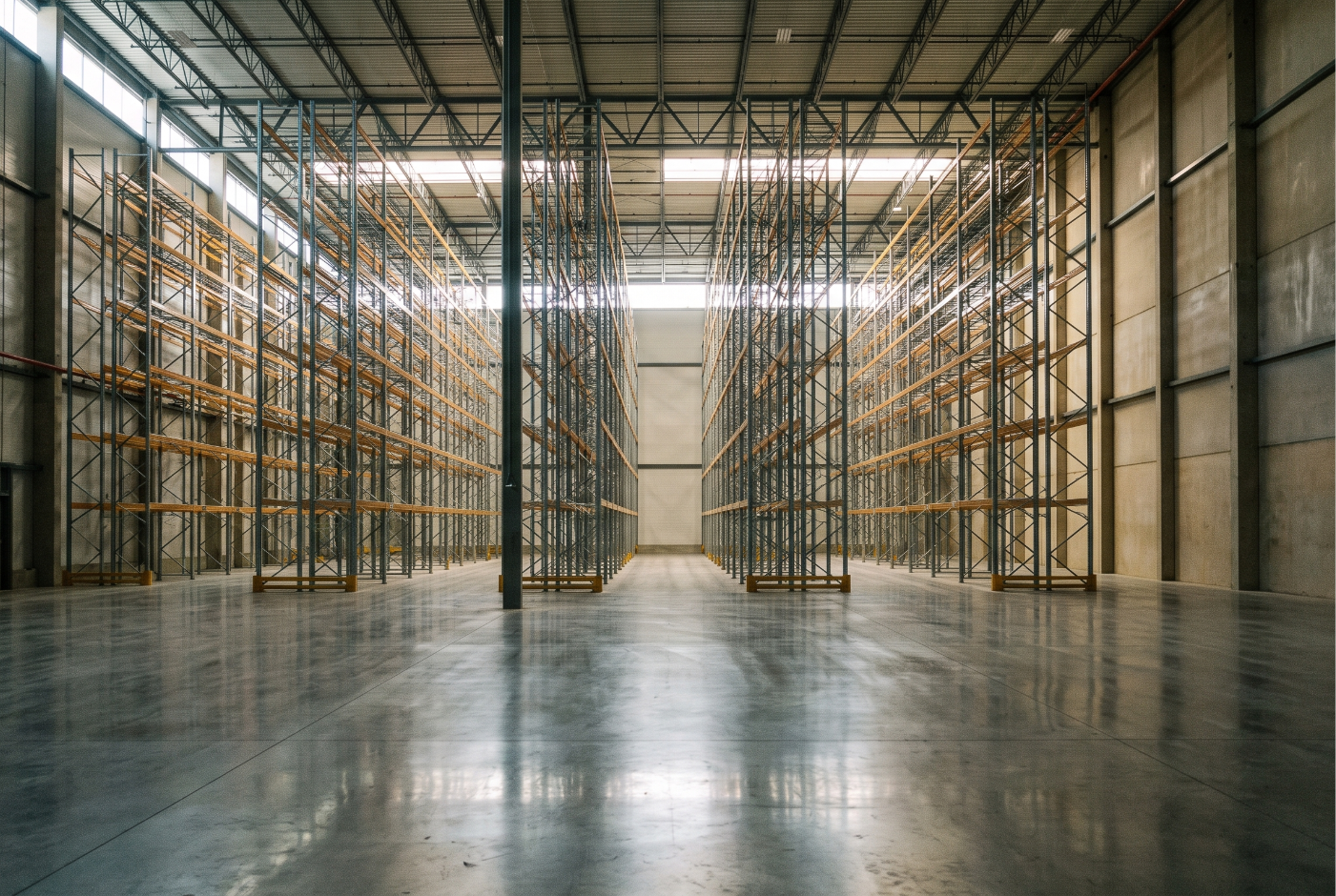
Savills’ Czech research indicates that the additional investment may take 15–20 years to recover. Before developing or buying coldstorage, investors should therefore confirm that:
- The tenant is financially strong
- The lease is long enough to recover the investment
- The site has enough power capacity
- The refrigeration system complies with EU rules
- Maintenance and replacement costs are clearly allocated
- The building can be adapted for another tenant
EU F-gas rules create an additional risk. Older high-emission refrigerants are already restricted, with tighter rules coming by 2030. An outdated system may require expensive replacement shortly after acquisition.
Conclusion
For speculative logistics projects in CEE/SEE, a dry warehouse offers the stronger risk-adjusted investment. It requires less capital and can serve a much wider tenant pool.
Cold storage can generate higher rent and strong long-term income, but only when it is developed around a committed tenant. It should normally be delivered as a pre-let or build-to-suit project with a long lease and clear responsibility for specialised equipment.
The goal is not to chase the highest rent. It is to choose the building that will remain usable and leasable after the first tenant leaves.
Sources: CBRE, JLL, Colliers, Savills, Cushman & Wakefield, European Union


.avif)