Commercial Real Estate in the region
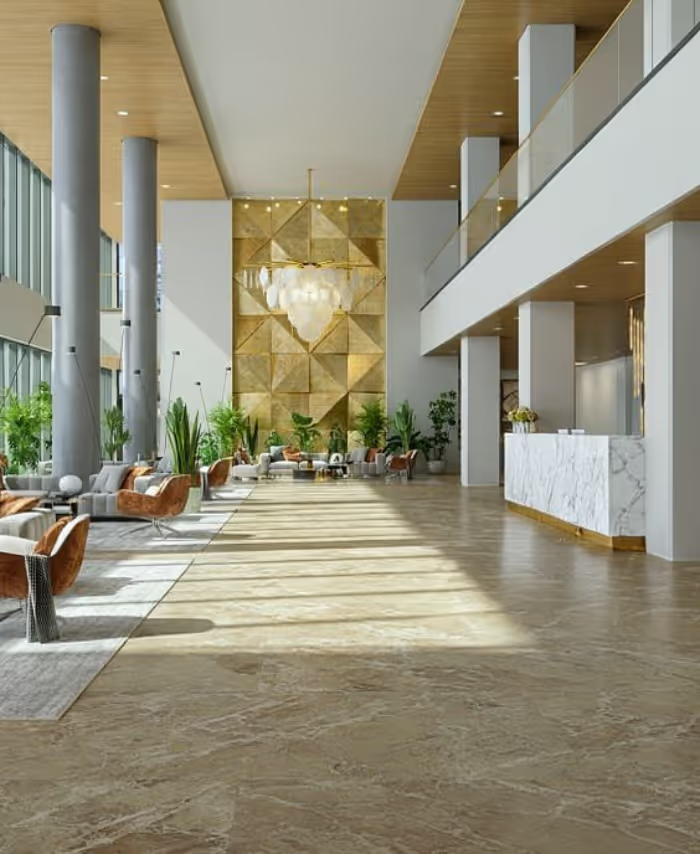
Commercial Real Estate in the Adriatic-Balkan Region
For most individuals, real estate is associated with residential transactions – buying, selling, or renting apartments and houses. In the business world, however, real estate operates on a different level. Commercial real estate (CRE) is a distinct asset class that attracts institutional investors, private capital, and family offices seeking stable income, portfolio diversification, and long-term capital appreciation.
The Adriatic-Balkan region – including Slovenia, Croatia, Serbia, Bosnia and Herzegovina, Montenegro, North Macedonia, Albania, and Kosovo – has become an increasingly attractive investment destination. Supported by economic growth, infrastructure development, EU integration, tourism, nearshoring, and the expansion of e-commerce, the region offers compelling opportunities across multiple commercial real estate sectors.
The principal commercial real estate asset classes include:
- Office
- Retail
- Hospitality
- Logistics & industrial
- Development land
While investment opportunities vary across individual markets, the region offers attractive yields, relatively limited institutional competition, and significant long-term growth potential.
Office Buildings
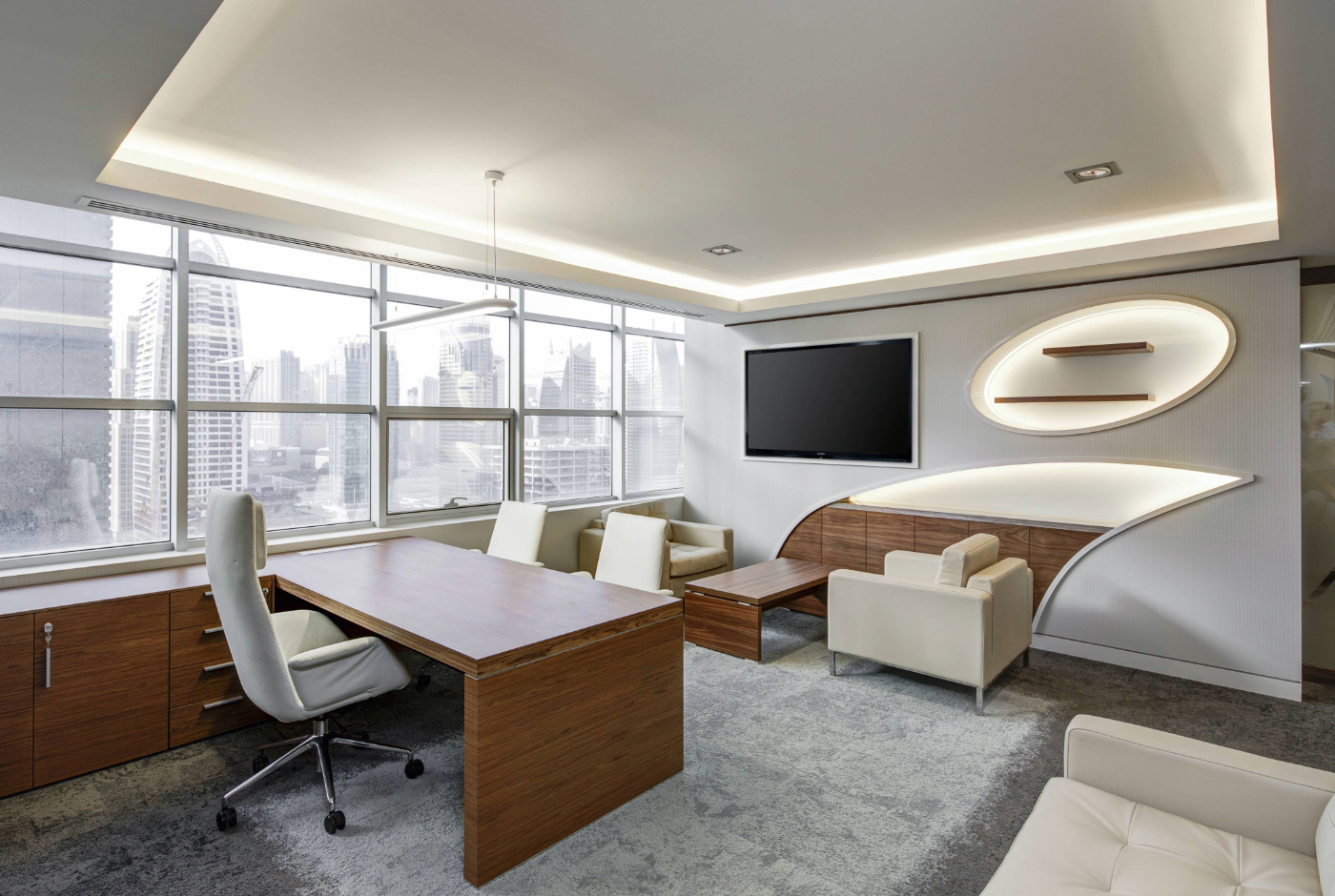
Office properties are buildings where at least 75% of the gross floor area is dedicated to office use. They are generally classified according to quality:
- Class A: Modern, high-specification buildings in prime business districts, offering premium amenities, advanced sustainability standards, and attractive working environments.
- Class B: Well-maintained buildings providing functional office accommodation at competitive rents.
- Class C: Older office buildings with more basic specifications, typically located outside primary business locations.
Capital cities such as Ljubljana, Zagreb, Belgrade, and increasingly Sarajevo and Skopje continue to experience demand for modern, ESG-compliant office space. New supply remains limited in many markets, supporting occupancy levels and rental growth for quality assets.
Retail
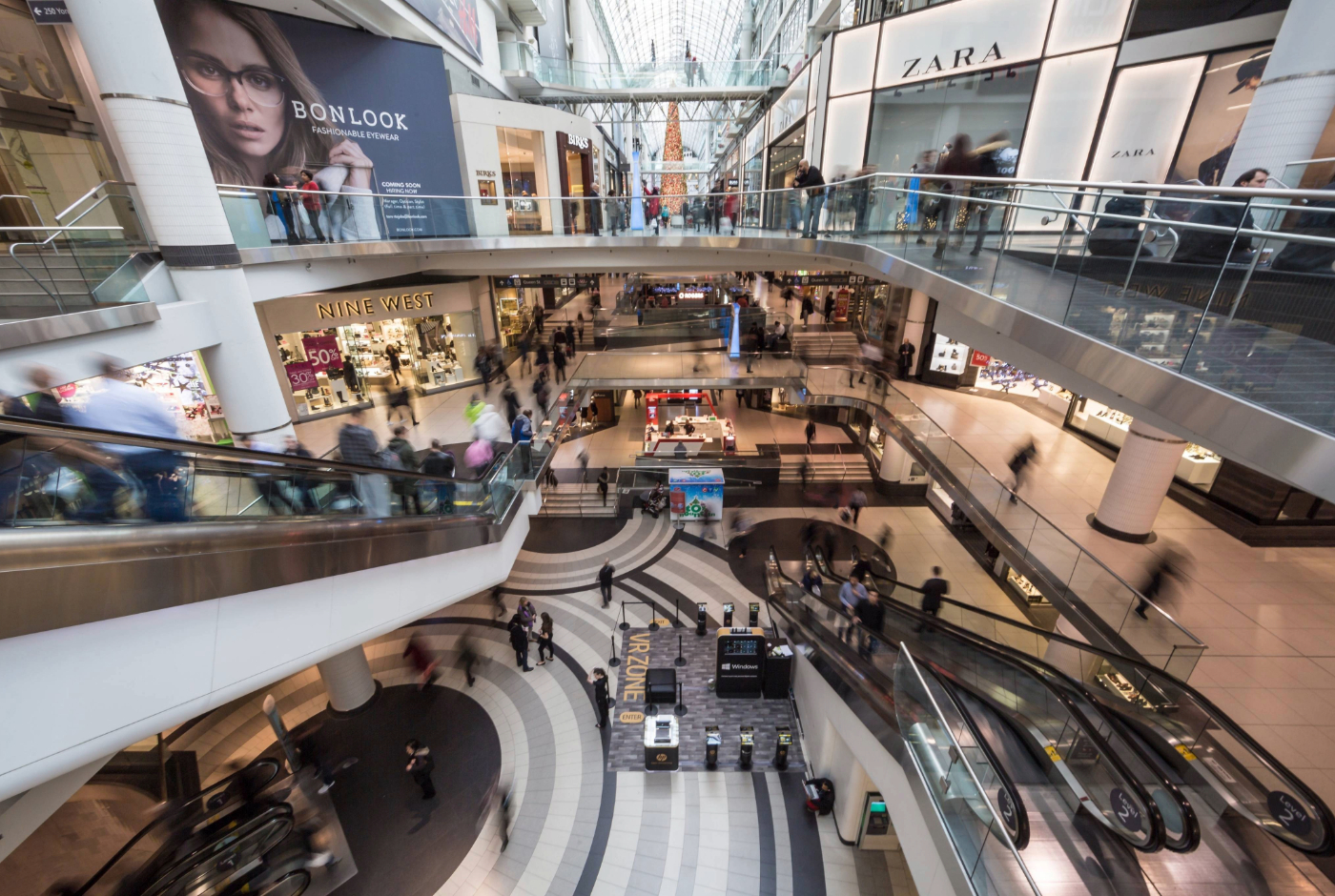
Retail real estate encompasses properties designed for the sale of goods and services, including:
- Retail parks
- Shopping centres
- Outlet centres
- High street retail
- Department stores
Consumer spending across the region has shown resilience, while international brands continue to expand their presence. Retail parks have become one of the fastest-growing formats due to lower operating costs, convenience, and strong performance in regional cities. Prime shopping centres continue to attract institutional investors due to stable tenant demand and long lease structures.
Hospitality

The Adriatic coast has established itself as one of Europe's leading tourism destinations, while inland cities continue to strengthen their business and leisure travel markets.
Hospitality assets include:
- Hotels
- Resorts
- Serviced apartments
- Branded residences
- Mixed-use hospitality developments
Croatia, Montenegro and Albania continue to attract significant international investment into luxury tourism, while Slovenia, Serbia and North Macedonia are witnessing increasing interest in urban hotels and business-oriented hospitality assets.
Ownership structures typically include lease agreements, management contracts, franchise arrangements, or owner-operated models.
Logistics & Industrial
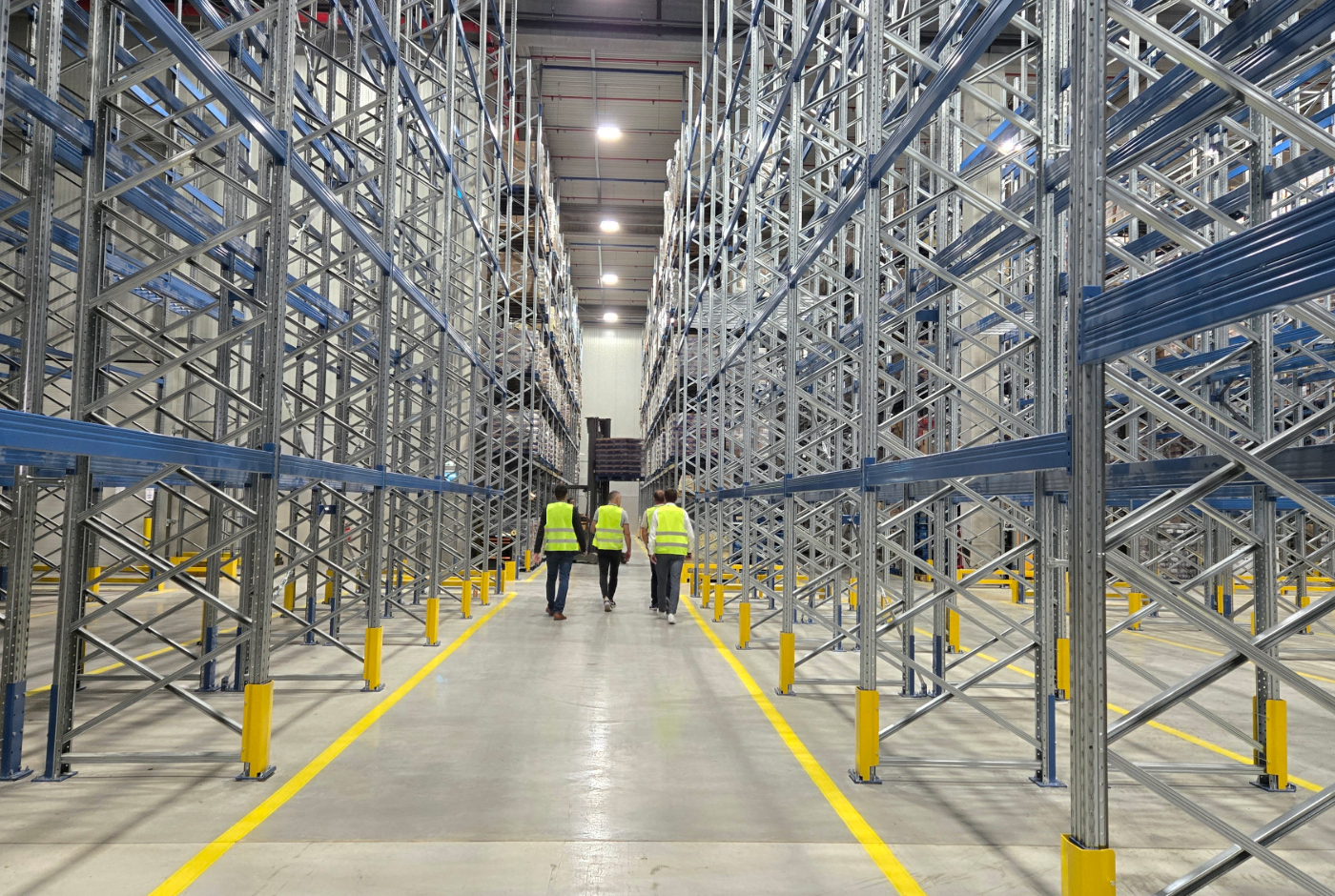
Logistics has become one of the strongest-performing sectors across the Adriatic-Balkan region.
Growth is supported by:
- Nearshoring of manufacturing
- Expansion of e-commerce
- Development of regional distribution networks
- Strategic transport corridors linking Central Europe with the Adriatic ports and Southeast Europe
The Port of Koper has become one of Central Europe's key logistics gateways, while major transport corridors connecting Austria, Slovenia, Croatia, Serbia, North Macedonia and Greece continue to strengthen regional supply chains.
Demand for modern logistics facilities significantly exceeds available supply in many markets, supporting rental growth and continued development activity.
An emerging segment is data centres, driven by accelerating digitalisation, cloud computing and artificial intelligence.
Development Land
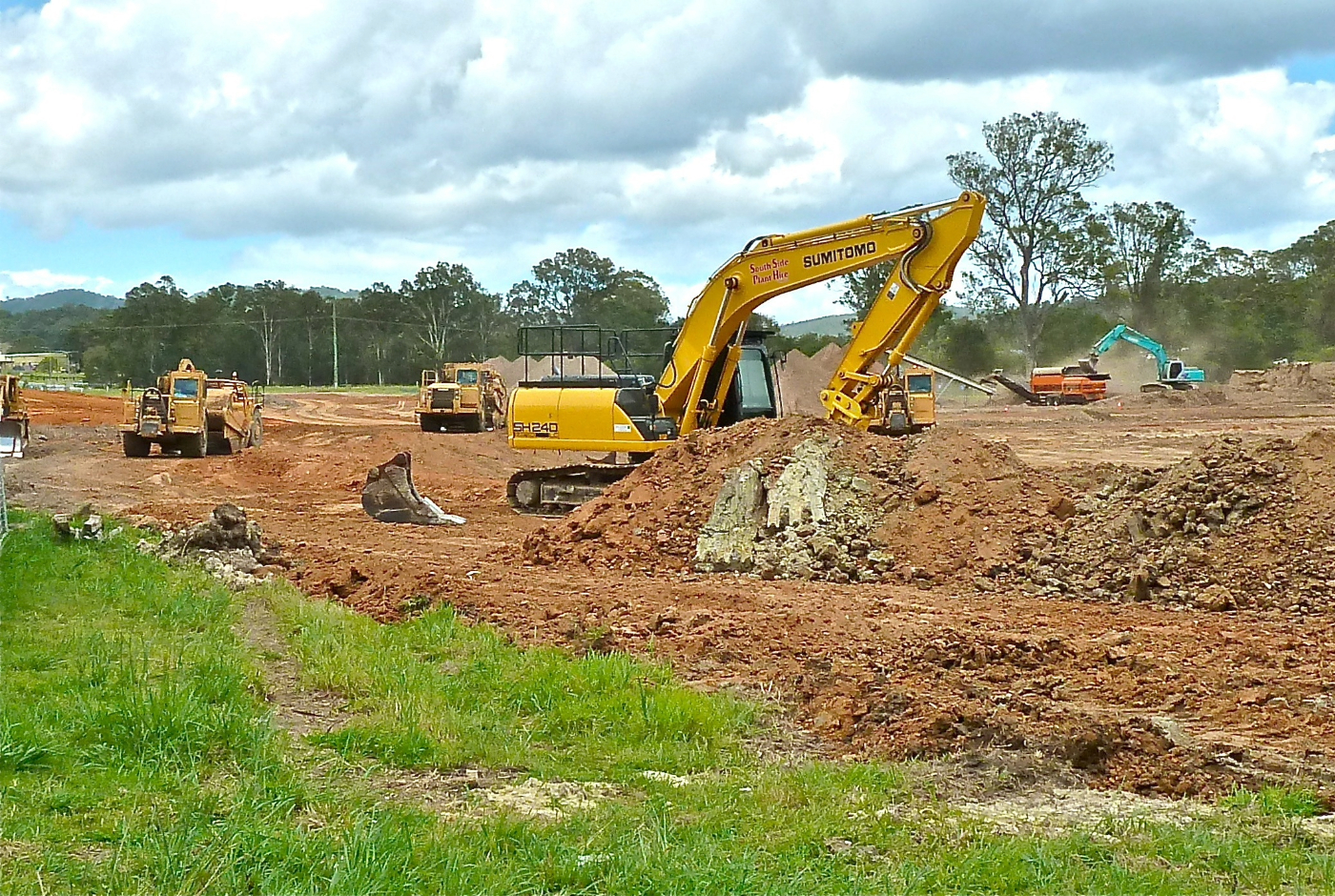
Development land represents one of the region's most attractive yet complex investment opportunities.
While planning systems differ between jurisdictions, common characteristics include:
- Limited availability of prime development sites
- Lengthy permitting procedures
- Diverse planning regulations
- Increasing emphasis on environmental and sustainability requirements
Despite these challenges, well-located sites suitable for logistics, hospitality, retail and mixed-use developments continue to generate strong investor interest.
Investment Outlook
Commercial real estate in the Adriatic-Balkan region combines the advantages of emerging markets with increasingly mature investment fundamentals.
Compared with Western Europe, investors often benefit from higher yields, lower market saturation, and greater value-creation potential. At the same time, successful investment requires a deep understanding of local regulations, market dynamics, and cross-border business practices.
The region is no longer viewed as a collection of isolated markets, but as an increasingly integrated investment landscape connected by infrastructure, trade, tourism and capital flows. For investors with a long-term perspective, the Adriatic-Balkan region offers a compelling combination of stability, growth potential and access to opportunities that often remain outside highly competitive Western European markets.


.avif)