Three Ways to Run a Hotel: Lease, Management or Franchise?
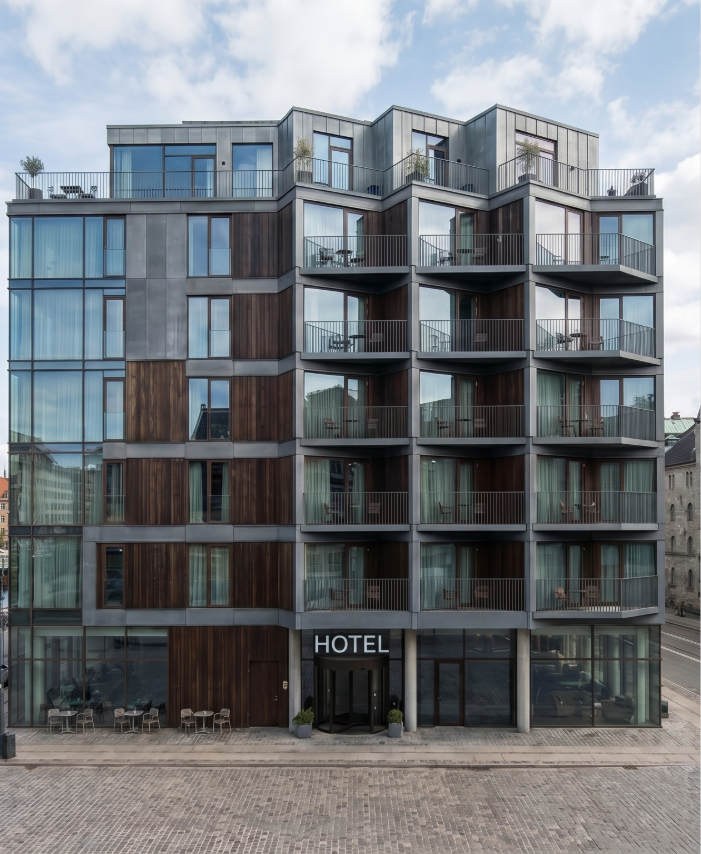
One Asset, Three Strategies - Choosing the Right Model Between Stability, Control and Return
Owning a hotel is not just a real estate decision—it is a strategic choice about how the asset will be operated, monetised, and risk-managed.
In practice, there are three dominant operating structures:
- Lease
- Hotel Management Agreement (HMA)
- Franchise
Each model defines a different balance between risk, control, and financial upside.
.png)
The way a hotel is operated often matters more than the asset itself.
1. Lease: Stability Over Upside
Under a lease structure, the owner rents the hotel to an operator (tenant), who runs the business independently and pays rent in return.
Key characteristics:
- Operator runs the hotel and employs staff
- Owner receives fixed or turnover-based rent
- Operating risk sits primarily with the tenant
Investment profile:
This is the most defensive and predictable model. Cash flow is stable, making it attractive for institutional investors or owners with low risk appetite.
However, the trade-off is clear: limited upside, as the operator retains all operating profits.
2. Hotel Management Agreement (HMA): Shared Risk, Shared Upside
In an HMA, the owner retains ownership and business risk, while a professional operator manages the hotel on their behalf.
Key characteristics:
- Operator runs day-to-day operations
- Owner finances the business and retains profits
- Operator is paid via base and incentive fees
Investment profile:
This model offers direct exposure to hotel performance. Returns depend on the hotel’s operational success, making operator selection critical.
Compared to a lease:
- Higher potential returns
- Higher volatility
- Greater reliance on operational expertise
It is the preferred model for value-add investors seeking to maximise NOI and asset value.
3. Franchise: Control with Brand Power
A franchise model allows the owner to operate the hotel under a recognized brand, using its systems, distribution, and standards.
Key characteristics:
• Owner (or hired operator) runs the hotel
• Brand provides name, systems, and standards
• Fees are paid for brand use and services
Investment profile:
This model provides full operational control and full exposure to performance, while benefiting from brand recognition and distribution power.
However:
- All operational and financial risks remain with the owner
- Strict brand standards require ongoing investment
- Fees reduce net income
Franchise structures are often combined with third-party operators to balance expertise and control.
.png)
Key Differences at a Glance
- Lease → Low risk, stable income, limited upside
- HMA → Balanced structure, performance-driven returns
- Franchise → High control, high risk, highest potential return
How Investors Choose
The optimal structure depends on the owner’s strategy:
- Institutional investors → Prefer leases for stable, predictable income
- Value-add investors → Choose HMA or franchise models to capture operational upside
- Experienced operators or developers → Lean toward franchise or hybrid models to maximise control and value creation
.png)
Strategy Defines Performance
There is no universally “best” model, only the one that aligns with the investor’s risk appetite, expertise, and return expectations.
In today’s market, where hospitality is increasingly operational and experience-driven, the choice of structure is no longer a technical detail, it is a core investment decision that directly shapes performance.


.avif)